
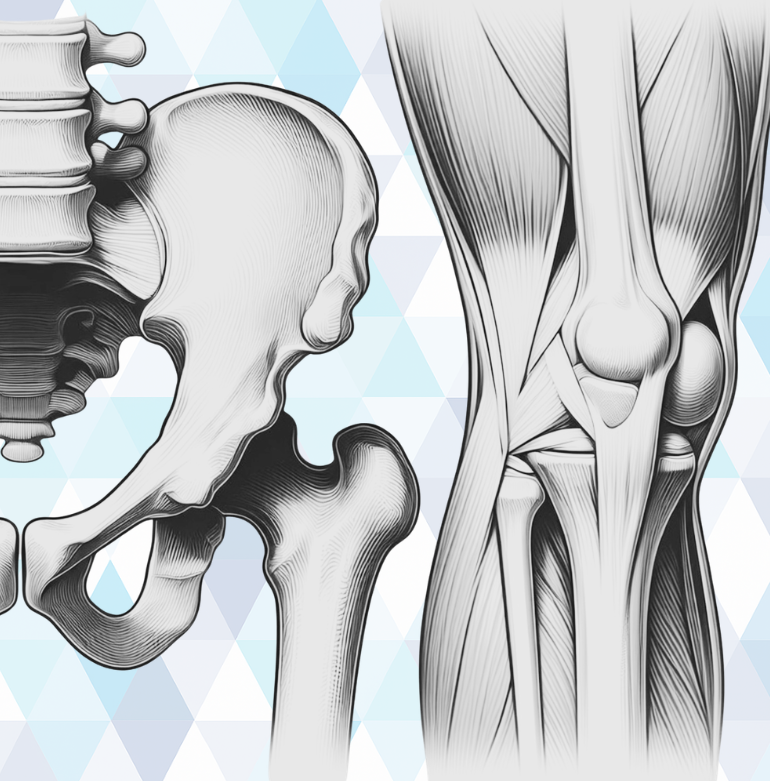
Cooled Radiofrequency Ablation for Hip and Knee Pain
Cooled radiofrequency ablation hip knee offers a minimally invasive option for patients with hip or knee osteoarthritis. The procedure uses radiofrequency energy to target the small sensory nerves that carry pain signals from the joint.
What is cooled radiofrequency ablation?
Surgeons have used radiofrequency ablation successfully in the spine for many years. Cooled radiofrequency ablation extends this technique to the hip and knee. In the knee the procedure targets the genicular nerves. In the hip it targets the articular branches of the femoral and obturator nerves. The cooled technology creates a larger treatment zone and often produces more consistent pain relief than traditional methods.
Who could benefit from cooled radiofrequency ablation?
This treatment suits patients with hip or knee osteoarthritis whose symptoms persist despite physiotherapy, medications and injections. It can help people who wish to delay joint replacement because of work, travel or other commitments. It also suits older or medically frail patients who face higher risks with major surgery. In selected cases the procedure can relieve residual pain after previous joint replacement.
How long does the pain relief last?
Most patients experience meaningful pain relief for around 12 months, although results vary. The treated nerves gradually regenerate. When pain returns, the procedure can be repeated. If osteoarthritis continues to progress, joint replacement may become the more appropriate long-term solution.
Is there evidence for this procedure?
Several randomised controlled trials support cooled radiofrequency ablation of the genicular nerves for knee osteoarthritis. These studies show more consistent and longer-lasting relief than cortisone or viscosupplementation injections. Evidence for hip treatment continues to grow. Complications remain uncommon and generally mild when an experienced practitioner performs the procedure under image guidance.
Assessment in Sydney, Taree and Forster
Dr Woodbridge assesses patients with ongoing hip or knee osteoarthritis pain and discusses whether cooled radiofrequency ablation is appropriate. Consultations are available in Sydney, Taree and Forster. Further information is available at www.adamwoodbridge.com.au.