
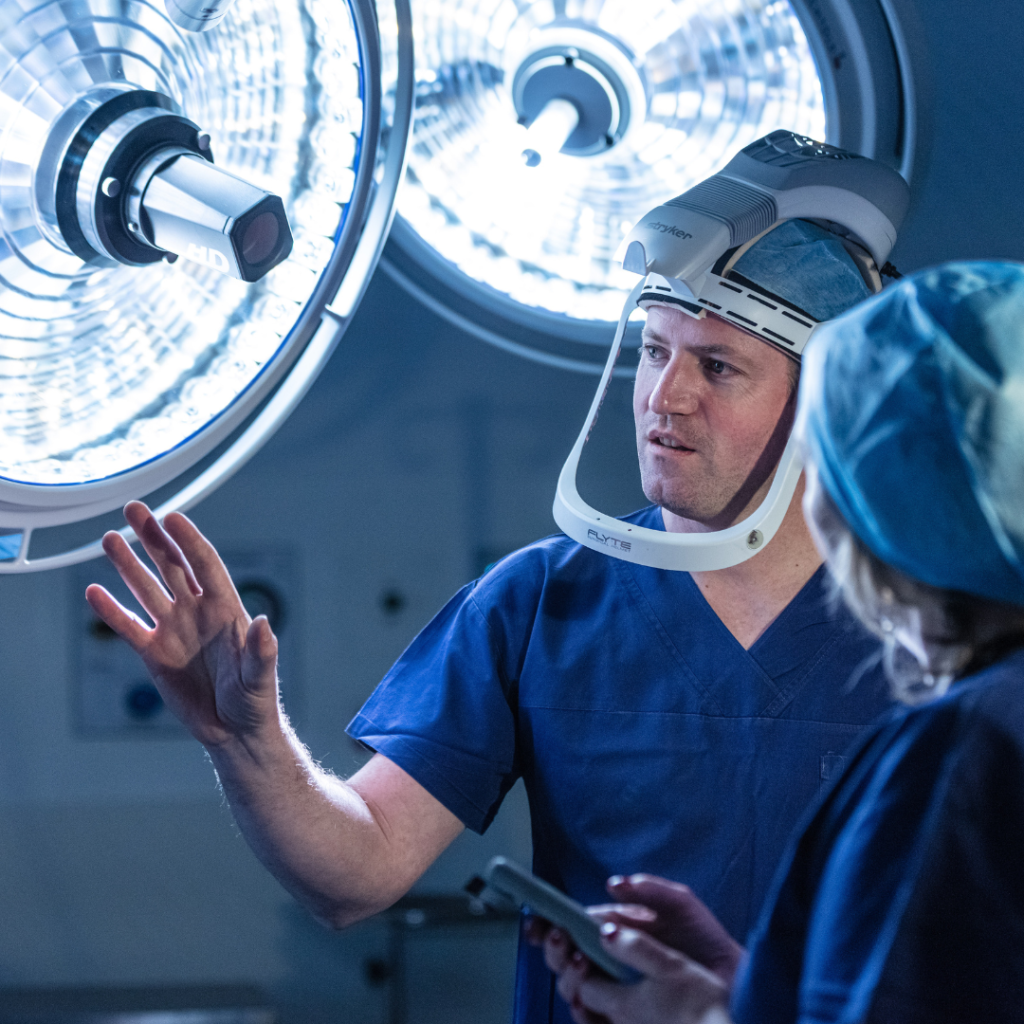
By Dr Adam Woodbridge | Fellowship-Trained Orthopaedic Surgeon
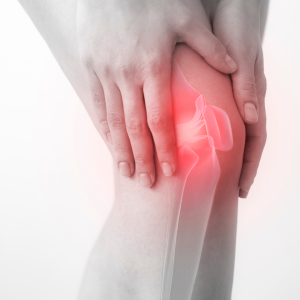
Work-related injuries to the hip and knee are common and can significantly impact mobility, work capacity, and quality of life. As a fellowship-trained orthopaedic surgeon with a background in physiotherapy, Dr Adam Woodbridge provides specialist assessment and management of workplace hip and knee injuries across New South Wales.
Dr Woodbridge offers evidence-based treatment and collaborative support within the workers’ compensation system to help injured workers achieve optimal functional recovery where clinically appropriate.
Workers’ Compensation Services for Orthopaedic Injuries
Dr Woodbridge provides comprehensive services for patients with work-related injuries, including:
- Independent orthopaedic assessments and second opinions
- Management of workplace hip and knee injuries
- Arthroscopic surgery when clinically indicated
- Joint replacement surgery when appropriate
- Treatment recommendations and individualised care planning
- Support with capacity assessments
A return-to-work focus underpins all management plans, with emphasis on multidisciplinary collaboration involving general practitioners, rehabilitation providers, insurers, employers, and legal representatives as needed.
Common Work-Related Hip and Knee Injuries
Workplace injuries often result from acute trauma, repetitive strain, or aggravation of pre-existing conditions. Frequently seen conditions include:
- Meniscal tears and ligament injuries (e.g., ACL)
- Fractures and soft tissue trauma
- Aggravation of degenerative joint conditions
- Overuse injuries from manual handling or repetitive tasks
Early specialist evaluation, including detailed history, clinical examination, and imaging review, helps clarify the injury and guide appropriate management tailored to occupational demands.
Approach to Assessment and Treatment
Management begins with a thorough clinical assessment to understand the mechanism of injury, functional limitations, and work requirements. Treatment options are always individualised and may include:
Non-Surgical Pathways Physiotherapy, activity modification, bracing, and targeted rehabilitation programs form the foundation for many patients.
Surgical Options (When Indicated) Modern arthroscopic techniques or joint replacement surgery are considered where conservative measures are insufficient. Techniques aim to restore stability, reduce pain, and support return to function.
All recommendations prioritise evidence-based care that is reasonable and necessary within the workers’ compensation framework.
Supporting Recovery and Return to Work
Timely intervention and a coordinated multidisciplinary approach are key to safe, sustainable outcomes. Dr Woodbridge provides clear, comprehensive reports to support claim management, treatment approvals, and capacity assessments. The goal is to facilitate recovery while aligning with each patient’s occupational needs.
Referrals and Appointments
Workers’ compensation referrals are welcome from general practitioners, occupational physicians, rehabilitation providers, insurers, and legal representatives. Referrals can be made via the practice referral form or by contacting the rooms directly.
Dr Adam Woodbridge consults at convenient locations across Sydney (Chatswood, Bella Vista/Norwest, Balmain) and provides services for regional patients on the mid-north coast.
Contact our team today on (02) 8785 5422 or 1800 447 362 to discuss a referral or book an appointment.
This article is for general educational purposes only and does not constitute medical advice. Individual outcomes vary, and all treatment decisions should be made in consultation with a qualified specialist in accordance with relevant NSW workers’ compensation legislation and guidelines.