
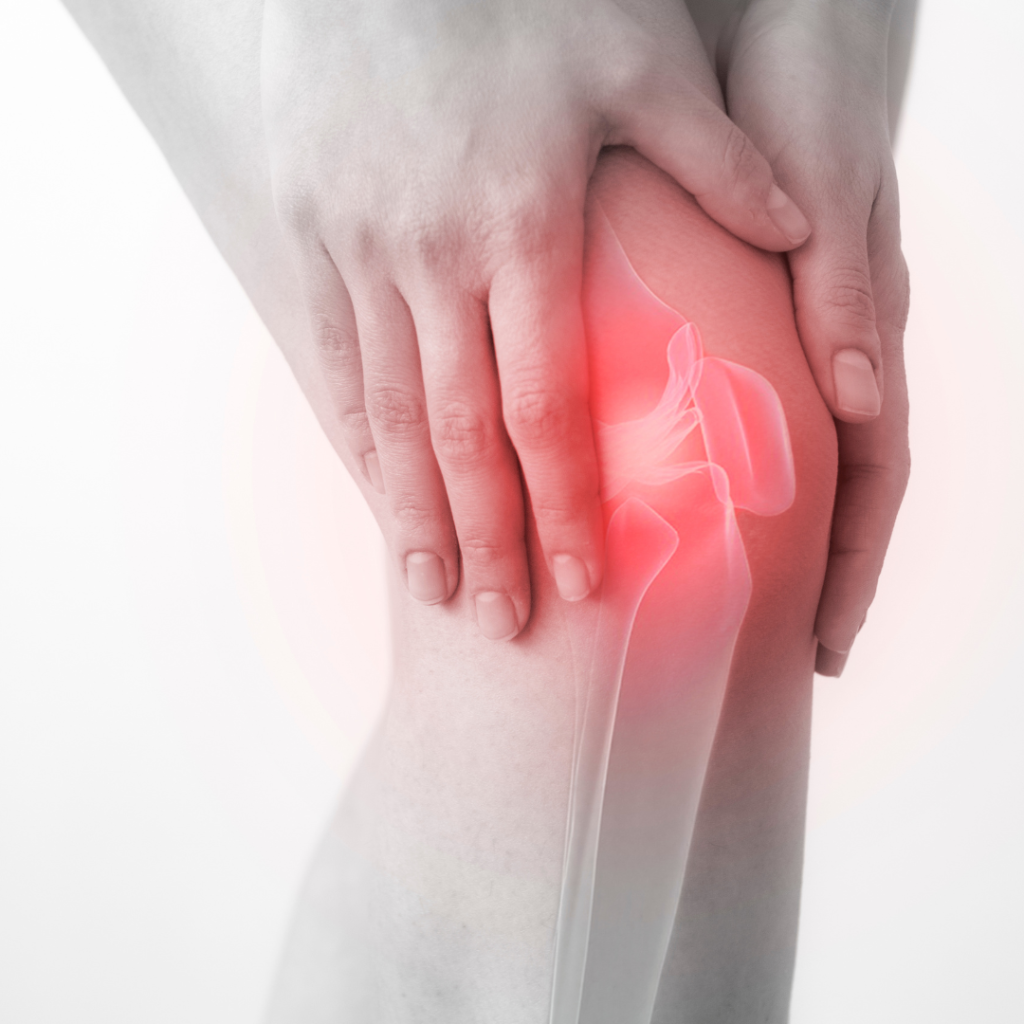
Meniscus Tear: Symptoms, Diagnosis and Treatment
A meniscus tear commonly causes knee pain in active people and those with early joint wear. The menisci are C-shaped cartilage structures that cushion and stabilise the knee.
What is a meniscus tear? A meniscus tear damages one of these cartilage pads. A sudden twisting injury during sport or work can cause it, or it can develop gradually with age. Some tears stay stable, while others create catching, locking or giving-way symptoms.
Who gets a meniscus tear? Younger patients often tear the meniscus during sport, sometimes together with an ACL injury. Older patients more often develop degenerative meniscus tears linked to early osteoarthritis.

Symptoms People with a meniscus tear usually notice joint-line pain, swelling and stiffness. Many also find twisting or deep bending difficult. Clicking, catching or locking can occur.
Diagnosis Doctors diagnose a meniscus tear through history and clinical examination. X-rays help check for arthritis. MRI confirms the tear and shows its type and location most accurately.
Treatment options Many meniscus tears improve with non-operative care such as physiotherapy and activity modification. Surgeons consider surgery (meniscal repair or partial meniscectomy) when symptoms continue or when the tear is suitable for repair, especially in younger active patients. They tailor treatment to the individual tear pattern, age, activity level and overall knee condition.
Assessment in Sydney, Taree and Forster If you have symptoms that may come from a meniscus tear, Dr Woodbridge can assess your knee and discuss the most suitable options. He offers consultations in Sydney, Taree and Forster. You can find more information at www.adamwoodbridge.com.au.