
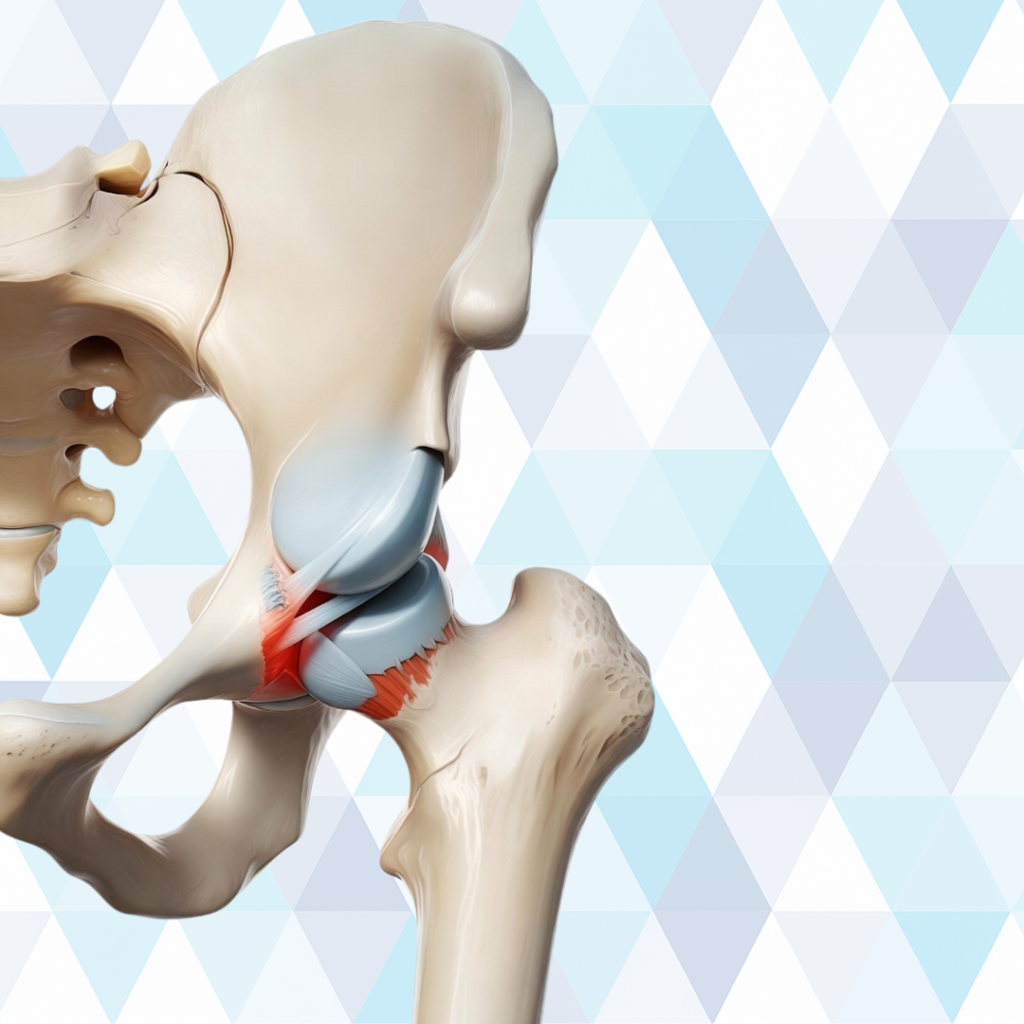
Early Signs of Hip Arthritis: Symptoms, Diagnosis and Treatment Options in Sydney, Taree & Forster By Dr Adam Woodbridge | Fellowship-Trained Orthopaedic Surgeon
Hip arthritis is a common condition that can gradually affect mobility and quality of life. As a fellowship-trained orthopaedic surgeon with a special interest in hip and knee surgery, Dr Adam Woodbridge regularly assesses and treats patients experiencing early signs of hip arthritis across Sydney and the mid-north coast (Taree and Forster). Recognising symptoms early allows for timely intervention to help maintain function and delay progression.
What is Hip Arthritis?
Hip arthritis, or hip osteoarthritis, develops when the protective articular cartilage covering the ball-and-socket joint gradually wears away. This leads to bone-on-bone friction, inflammation, pain, and reduced movement. It most commonly affects adults over 50 but can occur earlier following injury or in those with predisposing factors.
Common Causes and Risk Factors
- Ageing – natural wear of joint cartilage over time.
- Previous hip injury or trauma.
- Obesity – increased load on the hip joint.
- Developmental conditions such as dysplasia.
- Genetics and family history.
- Repetitive high-impact activities or certain occupations.
Early Signs and Symptoms of Hip Arthritis
Early symptoms are often subtle and may be dismissed as general stiffness. Common early signs include:
- Groin pain that worsens with activity or walking.
- Stiffness in the hip, particularly after sitting for long periods or in the morning.
- Difficulty bending to tie shoelaces or reach the feet.
- Reduced flexibility and range of motion.
- Discomfort when getting in or out of a car or low chairs.
- Pain that may radiate to the buttock, thigh, or knee.
Symptoms typically develop slowly and can fluctuate with weather or activity levels.
Diagnosis of Hip Arthritis
Dr Woodbridge conducts a comprehensive assessment including detailed history, gait analysis, and physical examination of hip range of motion and strength. X-rays are the primary diagnostic tool, often revealing joint space narrowing, osteophytes, and bone changes. MRI may be used in selected cases to evaluate early cartilage loss or soft tissue involvement.
Treatment Options for Hip Arthritis
Treatment is always personalised according to age, activity level, symptom severity, and individual goals.
Non-Surgical Management (First-Line Approach)
- Lifestyle modifications including weight management and low-impact exercise (swimming, cycling).
- Physiotherapy focused on strengthening, flexibility, and gait optimisation.
- Appropriate pain relief and anti-inflammatory medications.
- Injection therapies (corticosteroid or viscosupplementation) in suitable patients.
Many individuals achieve good long-term symptom control with conservative measures.
Surgical Options When symptoms significantly impact quality of life and conservative treatments are no longer effective, hip replacement surgery offers highly successful outcomes. Dr Woodbridge utilises modern techniques and implants with a focus on rapid recovery and return to function.
When to Seek Specialist Advice
Do not wait until pain becomes severe. Early orthopaedic review can help slow progression and preserve mobility. If you are experiencing persistent groin or hip pain, stiffness, or difficulty with daily activities, specialist assessment is recommended.
Book a Consultation with Dr Adam Woodbridge
Dr Adam Woodbridge provides expert care for hip arthritis and related conditions at convenient locations across Sydney (Chatswood, Norwest/Bella Vista, Balmain, Macquarie) and on the mid-north coast (Taree and Forster). He is committed to evidence-based, patient-centred care to help you regain mobility and enjoy life.
Contact our team today on (02) 8785 5422 or visit adamwoodbridge.com.au to book an appointment.