
Meniscus Tear
A meniscus tear is a common cause of knee pain in active people and in those with early joint wear. The menisci are C-shaped cartilage pads that sit between the thigh bone and shin bone. They cushion the joint and help distribute load.
What is the Meniscus?
Each knee has two menisci: one on the inner (medial) side and one on the outer (lateral) side. These structures act as shock absorbers. They also improve stability and help the joint surfaces move smoothly.
What causes a Meniscus tear?
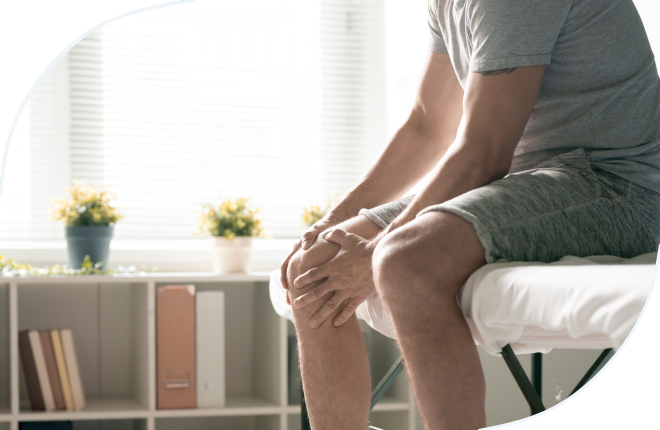
A meniscus tear can occur in two main ways. First, a sudden twisting injury during sport or work often causes a traumatic tear. Second, the meniscus can weaken with age, so a tear develops gradually without a specific injury. Degenerative tears are more common in middle-aged and older adults and often occur alongside early osteoarthritis.
What are the symptoms of a Meniscus tear?
Many people report that they have a ‘torn cartilage’ but in fact the majority actually have a meniscus tear. Most meniscus tears occur from a weight bearing twisting type injury. Some middle aged and older patients may have tears without a specific injury and these are often a result of degeneration of the meniscus tissue. Symptoms of meniscus tears can include pain and swelling of the knee.
If the swelling is severe it may even form a ‘baker’s cyst’ which is a swelling in the back of the knee. Some people experience more mechanical symptoms like clicking, catching and locking in the knee.
More detail on meniscus tear symptoms and treatment options.
Treatment options available
Treatment depends on the tear pattern, the patient’s age and activity level, and the overall condition of the knee. Many meniscus tears improve with non-operative care. Surgery is considered when symptoms persist or when the tear is suitable for repair.
Non-Operative Treatment
Physiotherapy, activity modification and temporary reduction of aggravating movements form the mainstay for many patients. Strengthening the muscles around the knee and improving movement patterns often reduce pain and improve function. Simple analgesics or anti-inflammatory medication may help in the short term when appropriate. Most stable or degenerative tears settle sufficiently with these measures.
Surgical Treatment
When symptoms continue or the tear is repairable, arthroscopic surgery may be appropriate. Two main procedures are used:
- Meniscal repair aims to stitch the tear back together so it can heal. This is more often suitable for younger patients with tears in the outer (vascular) portion of the meniscus.
- Partial meniscectomy removes the unstable fragment while preserving as much healthy meniscus as possible. This is more common for complex or degenerative tears that cannot be repaired.
The choice between repair and partial removal is made according to the individual tear and the condition of the rest of the knee. Recovery protocols differ: repairs usually require a period of protected weight-bearing, whereas partial meniscectomy typically allows earlier unrestricted movement.
Rehabilitation
Partial Medial Menisectomy
Patients can be discharged home from the hospital on the same day as the surgery. You will be able to weight bear on the operated leg. Some patients may require crutches to assist their mobbility. It is important to elevate the knee to limit swelling in the knee and lower leg. External bandages should removed after 24 hours, leaving the sterile dressings in place. It is important to perform regular straight leg raise exercises to maintain strength and tone in your quadriceps muscle. Dr Woodbridge will see you approximately 2 weeks after the surgery.
Most patients are quite mobile at this point, but your knee function will continue to improve over approximately 6 weeks. Some patients will benefit from the guidance of a physiotherapist.
Meniscus Repair
Patients are discharged home from the hospital on the same day as surgery. Many patients will need to restrict weight bearing using crutches, and this will assessed by Dr Woodbridge on a case-by-case basis depending on the pattern of the tear. Some patients will have a hinged knee brace. External bandages should be removed after 24 hours, leaving sterile dressings in place. It is important to elevate the knee to limit swelling and to perform regular straight leg raise exercises to maintain strength and tone in the quadriceps muscle.
Assessment in Sydney, Taree and Forster
Dr Adam Woodbridge provides specialist assessment and management of meniscus tears. Consultations are available in Sydney, Taree and Forster.
Further information is available at: www.adamwoodbridge.com.au. For appointments phone (02) 8785 5422.